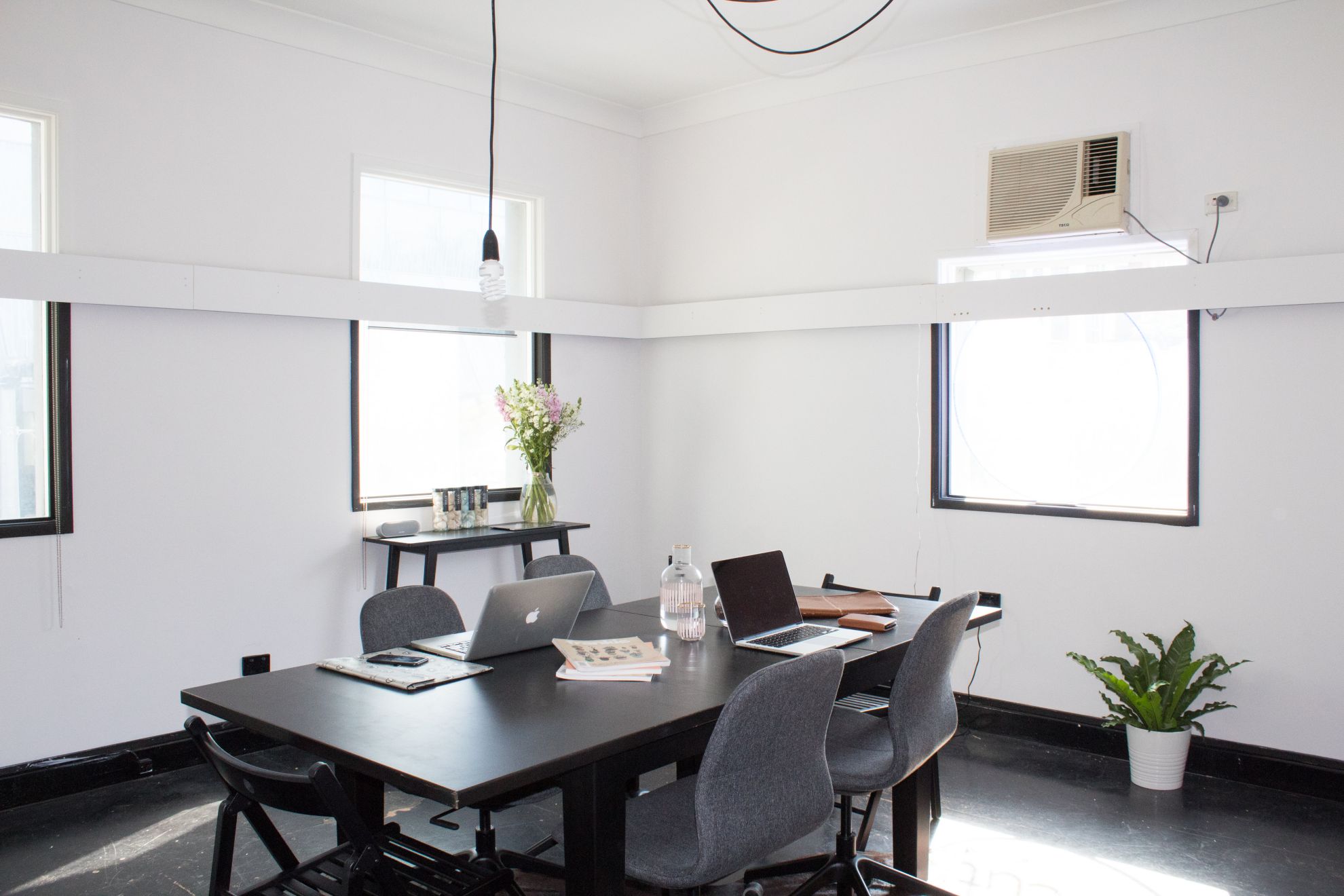
How to Style a North-Facing Living Room with Low-Light Planters
[Executive Summary]

Styling a north-facing living room with low-light planters turns a common lighting challenge into a design opportunity. A north-facing room receives gentle, indirect light throughout the day — perfect conditions for many stunning houseplants, if you choose the right ones. This guide covers the best low-light plants for north-facing rooms, planter positioning strategies, and how smart planters help maintain ideal moisture in lower-light conditions.
[Introduction]
A north-facing living room gets consistent but soft light — no harsh direct sun, no burning, just steady, diffused brightness. Many people think this means “no plants,” but the opposite is true. Some of the most beautiful low-light plants — snake plants, ZZ plants, pothos, ferns — actually prefer the conditions a north-facing room provides. Styling a north-facing living room with low-light planters is about choosing the right species and placing them where the available light is maximized.
Why north-facing rooms are plant-friendly: The consistent, indirect light of a north-facing window never burns leaves. Plants that scorch easily in south or west windows (calatheas, ferns, peace lilies) thrive in north-facing rooms. The light is gentler, which means plants need less water — your smart planter will show slower moisture decline, which means less frequent refills.
Best Plants for North-Facing Rooms
| Plant | Light (North Window) | Water in Smart Planter | Height |
|---|---|---|---|
| Snake plant | Excellent — will thrive | Every 4-6 weeks | 2-4 feet |
| ZZ plant | Excellent — ideal light | Every 4-6 weeks | 1-3 feet |
| Pothos | Excellent — will trail and grow | Every 2-3 weeks | Trailing |
| Peace lily | Very good — may bloom | Every 7-10 days | 1-3 feet |
| Fern (Boston, bird’s nest) | Very good — no burning | Every 5-7 days | 1-2 feet |
| Calathea | Very good — ideal humidity | Every 5-7 days | 1-2 feet |
| Cast iron plant | Excellent — very tolerant | Every 3-4 weeks | 2-3 feet |
Planter Placement in North-Facing Rooms
Light Zone Positioning
| Distance from North Window | Light Level | Suitable Plants |
|---|---|---|
| 0-3 feet | 500-2,000 lux | Ferns, peace lily, calathea |
| 3-6 feet | 200-500 lux | Snake plant, ZZ plant, pothos |
| 6-10 feet | 100-200 lux | Snake plant, ZZ plant (only) |
| Beyond 10 feet | Below 100 lux | No plants without grow light |
Smart Planter Light Sensor Use
Use your smart planter light sensor to find the best spots. Walk around the room with the smart planter and check the light reading at different positions. The smart planter data will tell you exactly where each plant will thrive.
Smart Planter Settings for Low Light
| Setting | North-Facing Room Value | Why |
|---|---|---|
| Moisture threshold | Lower by 5-10% | Slower evaporation and plant growth |
| Reservoir level | 25-50% | Plants drink less in lower light |
| Temperature low alert | 60°F | North-facing rooms can be cooler |
| Grow light supplement | Add if light < 500 lux | Boosts light for more plant choices |
Case Study: North-Facing Living Room
A north-facing living room (with a single 4×5 foot north window) was styled with low-light planters:
Setup: Two 10-inch white smart planters — snake plant (3 feet from window, left) and ZZ plant (4 feet from window, right). One 6-inch smart planter with pothos on a shelf 2 feet from the window. One 8-inch smart planter with peace lily on a console table 5 feet from the window.
Smart planter data: The peace lily showed a light reading of 800 lux (adequate for blooming). The snake plant at 500 lux (thriving). The ZZ at 300 lux (slow but healthy).
Result: All four plants thrived. The north light was perfect for every species chosen. The smart planters showed slower moisture decline (less frequent watering than in brighter rooms).
Frequently Asked Questions
Q: Can I grow flowering plants in a north-facing room?
A: Some flowering plants will bloom in a north-facing room. Peace lilies and African violets can bloom with 500-1,000 lux of indirect light. Most other flowering plants (orchids, jasmine, gardenias) need more light than a north window provides.
Q: How do I know if my north-facing room is too dark for plants?
A: Check your smart planter light reading. If it reads below 200 lux at the plant location, that is too dark for most plants (except snake plant and ZZ plant). If it reads below 100 lux, no plant will thrive. Add a grow light if you want more plant options.
Q: Do I need a grow light for a north-facing room?
A: Not for the low-light plants listed above. These plants evolved for low-light conditions and will thrive in a north-facing room. If you want plants that need more light (monstera, fiddle leaf fig, succulents), you will need a supplemental grow light in a north-facing room.
Q: Will my smart planter reservoir last longer in a north-facing room?
A: Yes — plants in a north-facing room drink less water because the lower light means less photosynthesis (transpiration). The smart planter reservoir will last 1.5-2x longer than the same plant in a brighter room. Check the smart planter sensor — water only when it alerts.
Q: What is the best smart planter placement in a north-facing room?
A: Place smart planters within 3 feet of the north window for medium-light plants (peace lily, fern, calathea). Place hardier plants (snake plant, ZZ) 3-8 feet from the window. Use the smart planter light sensor to verify readings — 500+ lux for best growth, 200+ lux for survival. Find low-light smart planters for north-facing room displays.
North Facing Room Plants,Low Light Planters,Indoor Plants Low Light,North Window Plants,Low Light Houseplants,Minimalist North Room,Smart Planter Low Light,Shade Tolerant Plants,North Facing Living Room,Low Light Plant Display,Snake Plant North Room,ZZ Plant Low Light,Pothos Low Light,Peace Lily North Window,Low Light Gardening Indoors