How to Create a Feng Shui Plant Arrangement with Minimalist Containers
[Executive Summary]
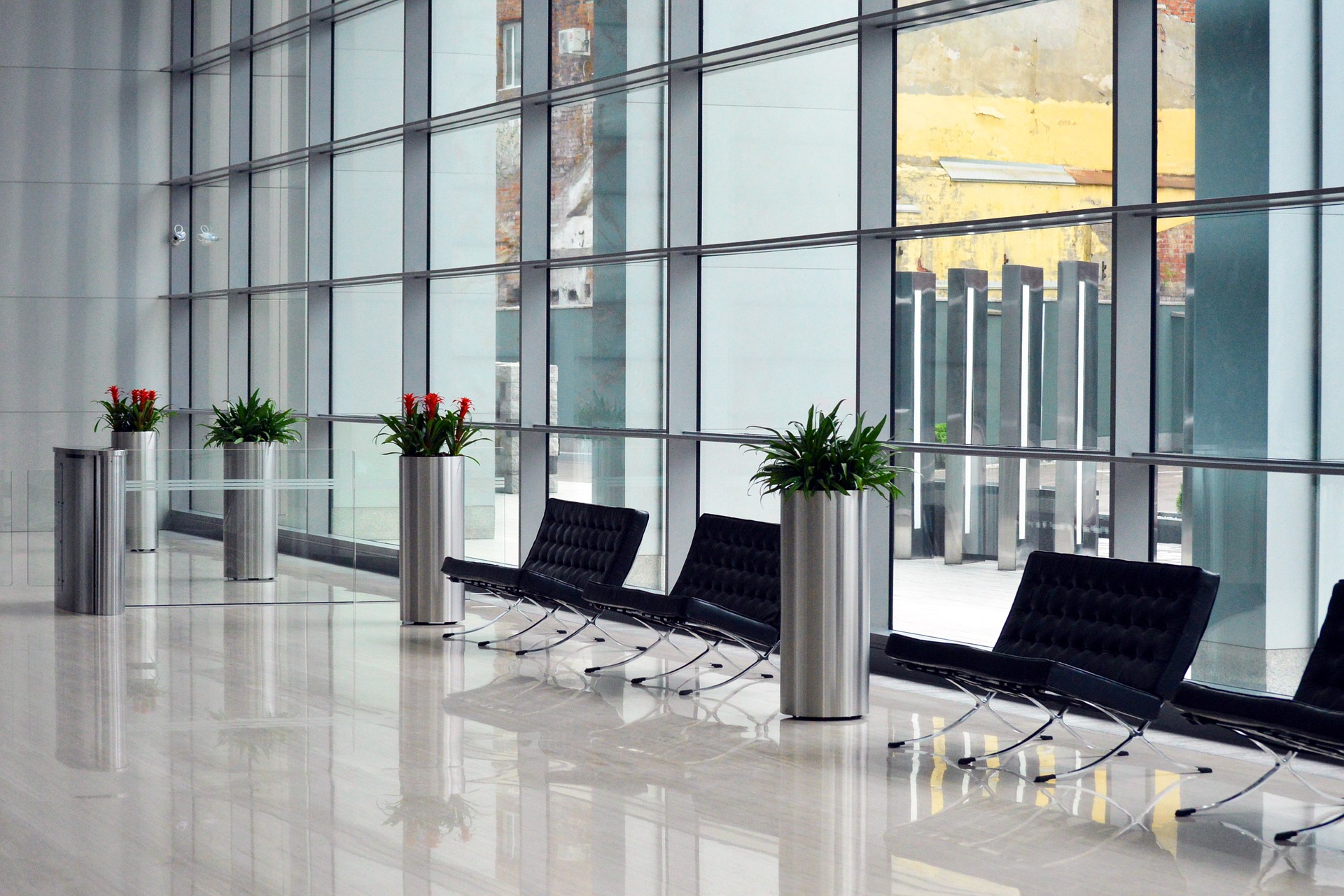
Creating a feng shui plant arrangement with minimalist containers brings positive energy (chi) into your home while maintaining clean, intentional design. Feng shui plant placement uses the five elements—wood, fire, earth, metal, water—and the Bagua map to position plants in specific areas for specific benefits. When combined with minimalist planters, the result is a space that feels both energetically balanced and visually serene.
[Introduction]
Feng shui is the ancient Chinese practice of arranging your environment to create harmony and balance. Plants represent the wood element—growth, vitality, and new beginnings—making them powerful feng shui tools. Creating a feng shui plant arrangement with minimalist containers applies these principles to modern interior design, using clean, simple planters that do not distract from the energy they are meant to cultivate.
Why minimalist planters work with feng shui: Feng shui values clarity and intention. A minimalist planter—simple, clean, unadorned—does not create visual clutter that disrupts chi flow. The planter’s neutral color and form allow the plant’s living energy to be the focal point. Cluttered, ornate planters with multiple colors competing for attention create stagnant energy.
The Bagua Map for Plant Placement
Five Feng Shui Areas Where Plants Are Beneficial
| Bagua Area | Life Aspect | Plant Recommendation | Planter Element |
|---|---|---|---|
| East (Family) | Health, family | Tall, leafy plants (bamboo, monstera) | Wood (green, brown) |
| Southeast (Wealth) | Abundance, prosperity | Jade plant, money tree, basil | Wood or earth tones |
| South (Fame) | Reputation, recognition | Plants with red flowers or red-tinged leaves | Fire (red, triangular) |
| Southwest (Love) | Relationships, partnership | Pair of matching plants (peace lilies) | Earth (terracotta, beige) |
| Center (Health) | Overall wellbeing | Large, healthy statement plant | Earth or balanced neutral |
Plants to Avoid in Feng Shui
| Plant | Feng Shui Issue |
|---|---|
| Cacti | Sharp thorns create “poison arrows”—use only outside windows for protection |
| Bonsai (in some schools) | Artificially restricted growth can symbolize restriction—use only if you practice bonsai as a mindful art |
| Dead or dying plants | Decaying energy attracts negative chi—remove immediately |
| Fake plants | Artificial energy—feng shui prefers living, growing plants |
Choosing Minimalist Planters for Feng Shui
Planter Colors and the Five Elements
| Element | Planter Colors | Best Bagua Area |
|---|---|---|
| Wood | Green, brown, natural wood tone | East (Family), Southeast (Wealth) |
| Fire | Red, orange, pink, purple, triangular shapes | South (Fame) |
| Earth | Beige, light yellow, terracotta, square shapes | Southwest (Love), Center (Health) |
| Metal | White, gray, silver, gold, round shapes | West (Creativity), Northwest (Helpful people) |
| Water | Black, dark blue, wavy shapes | North (Career) |
The Best Neutral Planter Colors for Feng Shui
If you prefer all planters to match for minimalist cohesion, choose a neutral color that represents the earth element (balances all):
- Matte white: Metal element—supports all areas when combined with appropriate plants
- Matte black: Water element—nourishes wood (plants) through the five-element cycle
- Natural terracotta: Earth element—balances all areas, supports plants (wood)
Room-by-Room Feng Shui Plant Placement
Living Room
Energy goal: Gathering, connection, relaxation.
Placement: A large, healthy plant in the east (family) or southeast (wealth) corner. Pair with a minimalist planter in wood tones (green, brown) or earth tones (terracotta). Avoid plants in the south area (fame) as they may overstimulate conversation energy.
Home Office
Energy goal: Focus, productivity, creativity.
Placement: A small plant on the desk (east area of the desk for health/focus) or in the north area of the room (career). Choose a minimalist planter in metal colors (white, gray) for the creativity area (west) or black (water) for career focus.
Bedroom
Energy goal: Rest, intimacy, restoration.
Placement: One or two plants only—too many plants in a bedroom can create too much yang (active) energy. Place in the southwest (love/partnership) with a matching pair of planters. Avoid plants with sharp leaves or thorns.
Case Study: Feng Shui Consultation
A homeowner consulted a feng shui practitioner to balance her open-plan living area:
Issue: The living room felt stagnant despite being bright and well-furnished.
Feng shui assessment: The southeast (wealth) corner was empty. The east (family) area had a dying plant. The south (fame) area had a cactus on the windowsill.
Correction: Removed the dying plant and cactus. Placed a healthy money tree (Pachira aquatica) in a matte white minimalist planter in the southeast corner. Added a pair of small jade plants in matching terracotta planters on a southwest shelf.
Result: The homeowner reported feeling “lighter” within a week. The space felt more welcoming. The money tree grew vigorously, adding living energy to the previously empty corner.
Frequently Asked Questions
Q: Do fake plants work for feng shui?
A: Traditional feng shui does not recommend fake plants. Artificial plants lack the living chi (energy) that real plants bring. They collect dust (stagnant energy) and represent an intention that is not alive. If you cannot keep real plants alive, preserved moss or dried branches are better alternatives—they were once alive and retain some natural energy.
Q: How many plants should I have for good feng shui?
A: Quality over quantity in feng shui plant placement. One thriving, well-cared-for plant in a minimalist planter is better than ten struggling plants. Start with 2-3 well-placed plants in key Bagua areas (east for health, southeast for wealth, southwest for love). Add more as you can maintain them well. Dead or dying plants are worse than no plants.
Q: What is the best feng shui plant for wealth and prosperity?
A: The jade plant (Crassula ovata) and the money tree (Pachira aquatica) are the best feng shui plants for wealth and prosperity (southeast Bagua area). Place them in a minimalist planter in wood or earth tones. The jade plant’s round, coin-shaped leaves symbolize wealth. The money tree’s braided trunk represents intertwined good fortune.
Q: Can I use a smart planter for feng shui plant placement?
A: Yes—smart planters are excellent for feng shui plant placement because they help keep plants healthy (healthy plants = good chi). Choose a smart planter in a color that balances your chosen Bagua area (matte white for metal areas, matte black for water, natural terracotta for earth). Ensure the smart planter cord or sensor does not create visual clutter that disrupts the feng shui.
Q: What should I do with a plant that dies in a feng shui arrangement?
A: Remove it immediately—a dead plant in a minimalist planter creates stagnant, decaying energy. Thank the plant for its life, compost it, clean the planter, and choose a new plant for the space. In feng shui, the intention is more important than the object—replacing a plant shows that you value growth and renewal. Find feng shui-friendly planters for your energy-balanced home.
Feng Shui Plants,Plant Placement Feng Shui,Minimalist Feng Shui,Indoor Plant Energy,Bagua Plant Placement,Feng Shui Home Decor,Feng Shui Plant Guide,Wealth Plants,Plant Chi Energy,Feng Shui Planters,Minimalist Feng Shui Decor,Feng Shui Living Room,Plant Energy Home,Positive Plant Energy,Feng Shui Design